


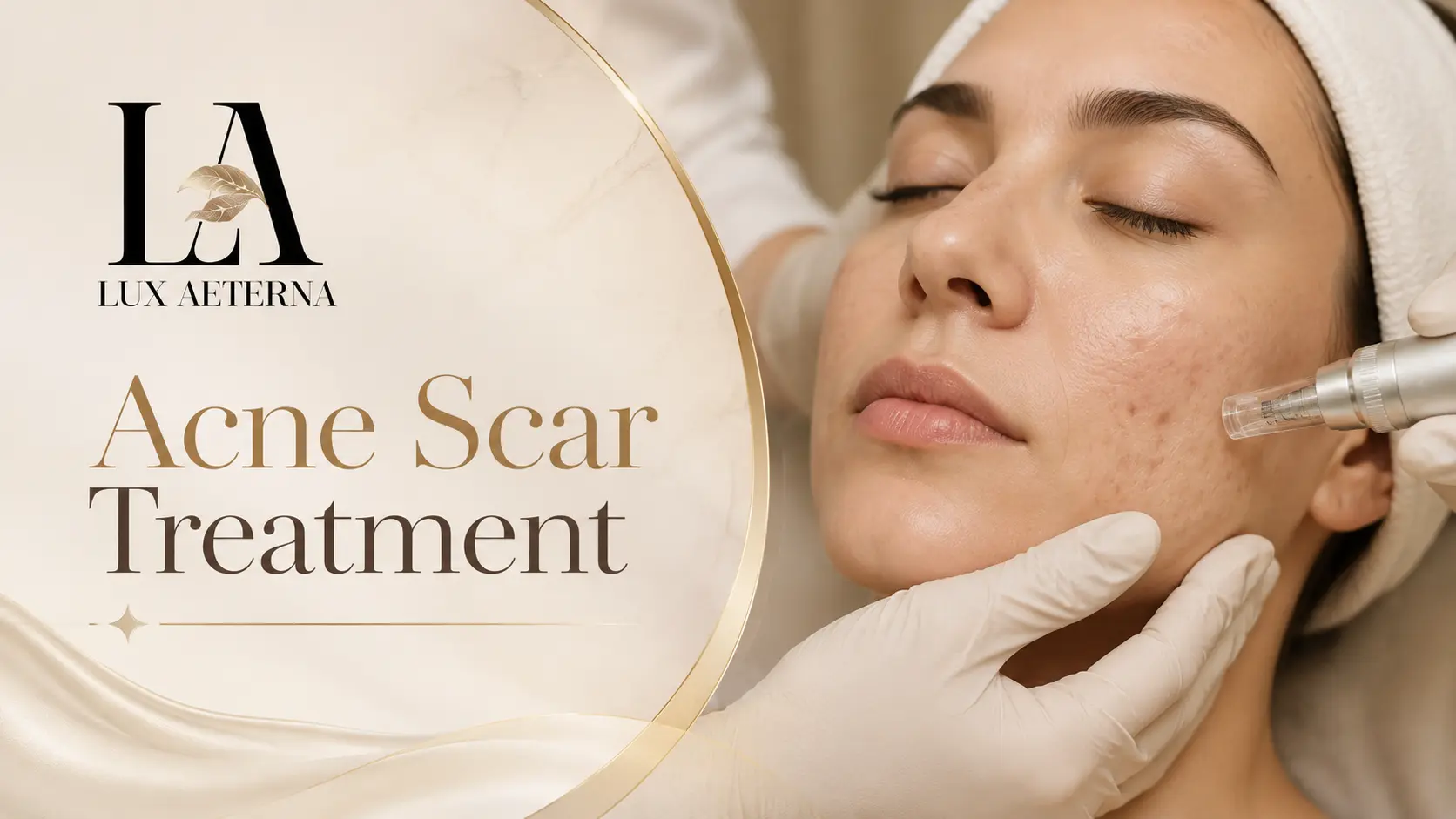
Acne’s annoying on its own. But the real headache, for most people, is what sticks around after it’s gone. A little dip here, a dark patch there, something that just refuses to fade no matter how many months pass. If that’s where you’re at right now, you’re probably wondering two things: why did this happen, and am I stuck with it forever? Neither has a simple answer, honestly, so let’s actually get into it.
Why Acne Leaves Scars in the First Place
Not every breakout turns into a scar. Whether it does mostly depends on how deep the inflammation went and how your skin handled the repair afterward. Small stuff, whiteheads, blackheads, usually clears without a trace because it never reaches the deeper layers of skin. The real problem is cystic or nodular acne, the kind that sits under the surface, feels sore for weeks, and takes its time settling down. That kind of inflammation eats away at collagen underneath, and when your skin tries to patch itself back up, it doesn’t always do a neat job of it.
Picking makes it worse, almost every single time. Understandable, since a sore, inflamed spot on your face is hard to leave alone. But that’s usually the difference between something that heals clean and something that leaves a dip or a dark mark behind for good.
Genetics gets involved too, more than people assume. Some people just produce more collagen during healing than others, which is why two people can get the exact same pimple and end up with two totally different outcomes. And here in Dubai specifically, between the sun and the constant AC stress on skin, marks that might’ve quietly faded somewhere cooler and more humid tend to hang around longer, sometimes even getting darker instead of fading out.
The Different Types of Acne Scars
Scarring isn’t just one thing, which is exactly why one treatment doesn’t work for everyone.
- Ice pick scars: narrow and deep, they pull the skin down into a small pit
- Boxcar scars: wider, sharper edges, gives the skin a pitted look
- Rolling scars: a wavy unevenness from damage sitting under the surface
- Post-inflammatory hyperpigmentation: not technically a scar at all, just leftover dark or red marks, but people mix it up with real scarring constantly
Figuring out which one you’re actually dealing with matters more than most people think. Something that works great on pigmentation might barely touch a deep ice pick scar, and the other way around too.
How Acne Scars Are Actually Treated
No single fix covers every kind of scarring, which is why sitting down with someone before starting anything makes a real difference. That said, a handful of approaches show up again and again for acne scar removal in Dubai clinics.
Microneedling tends to be where a lot of people start. It works by getting the skin to repair itself, gradually smoothing texture out over a handful of sessions rather than one visit. Chemical peels are more suited to surface marks and pigmentation, stripping away the top layer so fresher skin can take its place.
For scars that go deeper, HIFU treatment usually enters the conversation. It works underneath the surface, using focused ultrasound to push the skin into rebuilding collagen in a way surface treatments just can’t manage. It’s slow going, nothing changes overnight, but for scarring that’s been sitting there for years, going deeper often makes more sense than another round of exfoliation.
Morpheus8 body treatment is worth knowing about too, especially if scarring or texture issues go beyond just the face. It combines microneedling with radiofrequency, reaching deeper layers, which is useful for scarring on the back or chest, areas acne doesn’t always skip.
Whatever ends up being the right call for you, it’s rarely a one-visit thing. Scars took time to form. Softening them, or getting rid of them where possible, takes a series of sessions and honestly, some patience too.
Prevention Matters As Much As Treatment
If you’ve got active breakouts right now, the single best thing you can do for your future skin is leave them alone and treat inflammation early instead of waiting for it to run its course. Sunscreen matters more than people give it credit for here too, since UV exposure darkens marks that already exist and slows down how fast they’d otherwise fade.
It’s not only a face issue either. Anyone dealing with body acne, particularly on areas prone to friction like the back, might find it worth looking into laser hair removal, since ingrown hairs and acne tend to feed off each other in the same spots and keep the cycle going.
Getting a Proper Assessment
Scarring is genuinely easy to misjudge without a trained eye. What looks like a permanent scar might just be pigmentation that clears up with the right routine, or it could be the opposite, something that actually needs more than a serum is ever going to give it. If you’re not sure which one applies to you, our full guide on Skin Health and Dermatology Care goes deeper into how skin concerns get assessed and treated in this climate.
If you’d rather skip the back and forth altogether, you can contact Lux Aeterna clinic directly for a proper consultation. Getting an honest read on what type of scarring you’re dealing with before committing to any one treatment usually saves both time and money down the line.
This article is for general informational purposes only and isn’t a substitute for professional medical advice. Results from any treatment mentioned can vary from person to person, and a qualified practitioner should assess your skin before recommending a specific course of treatment.