

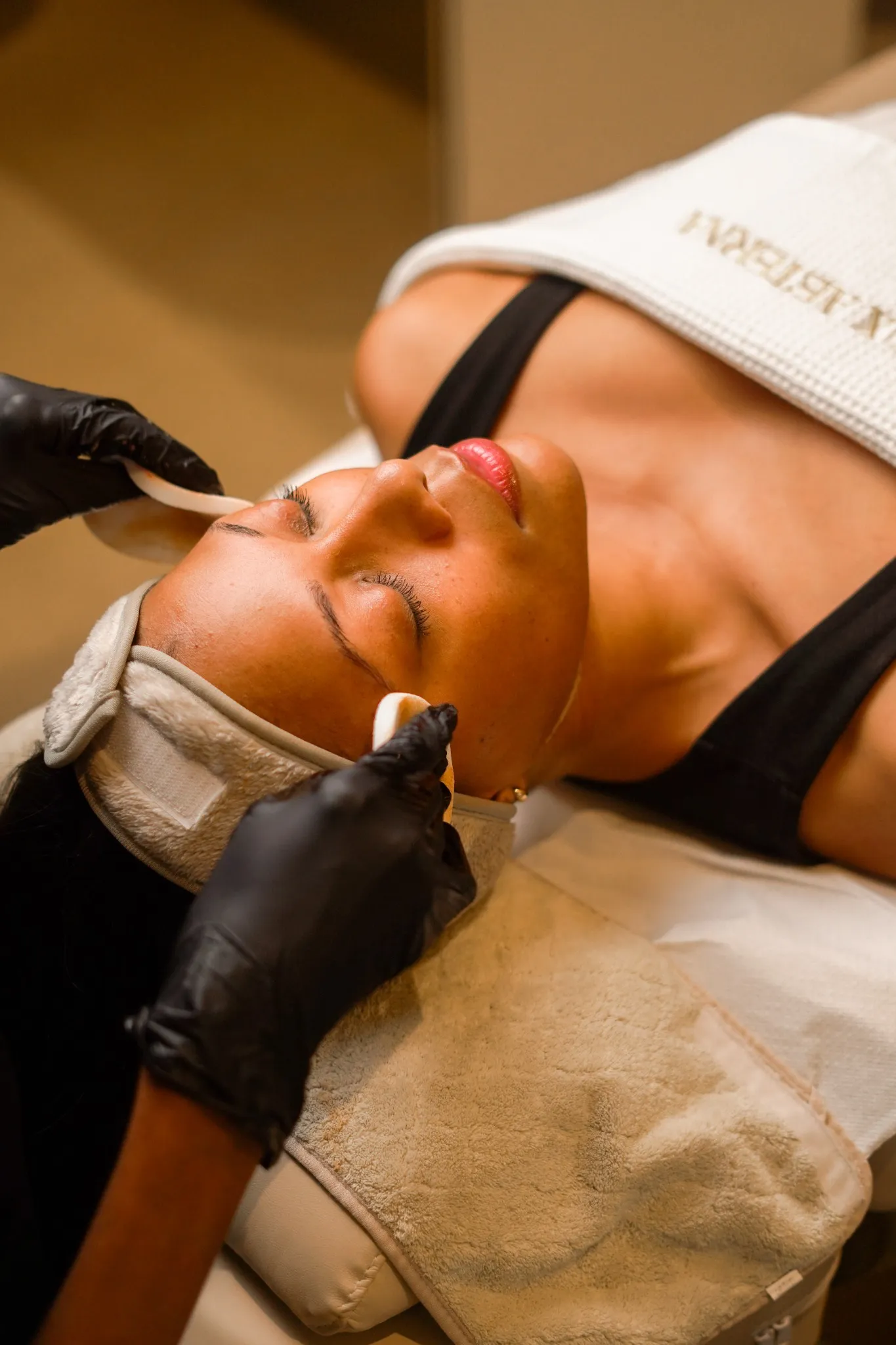
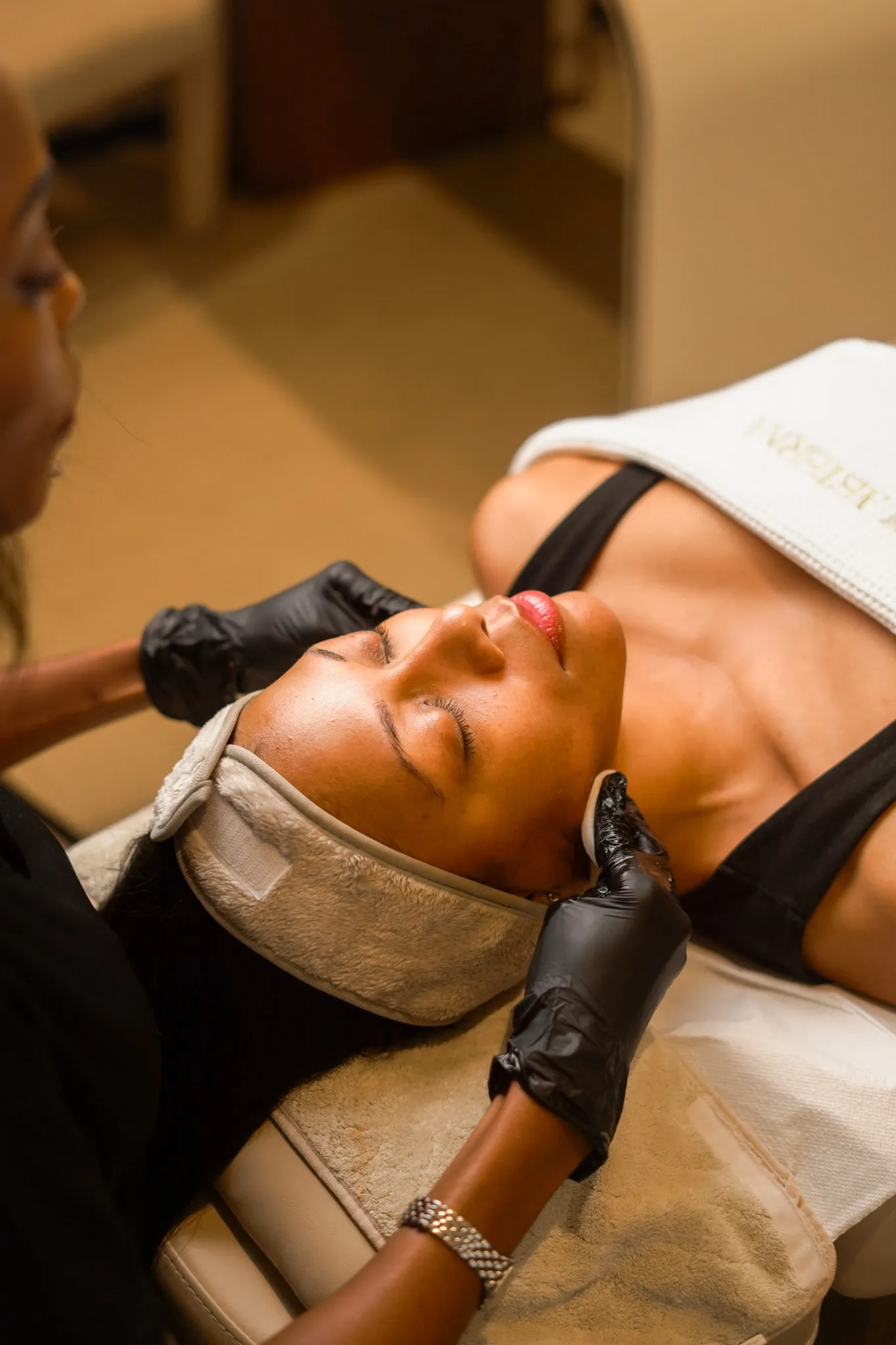
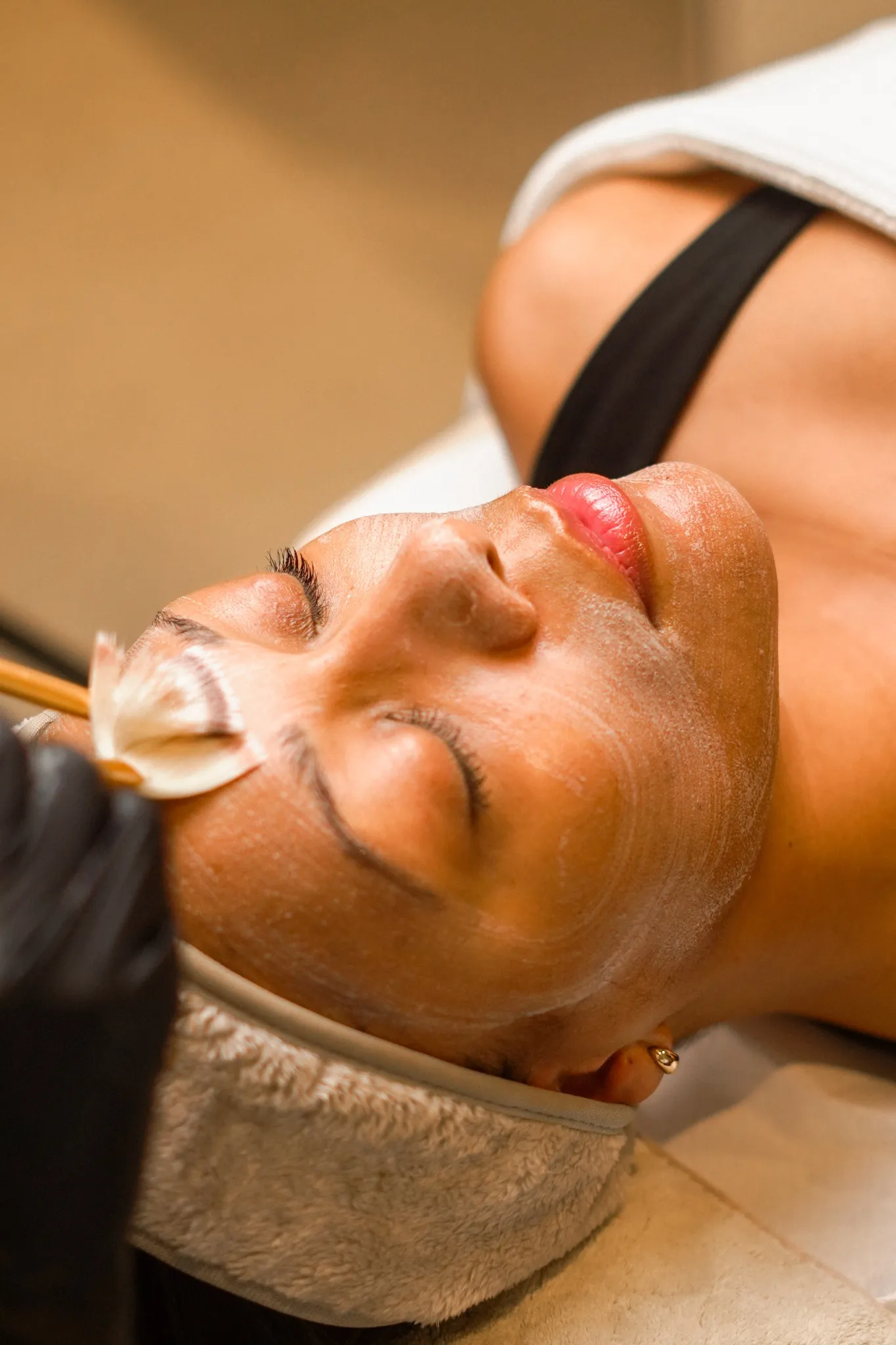
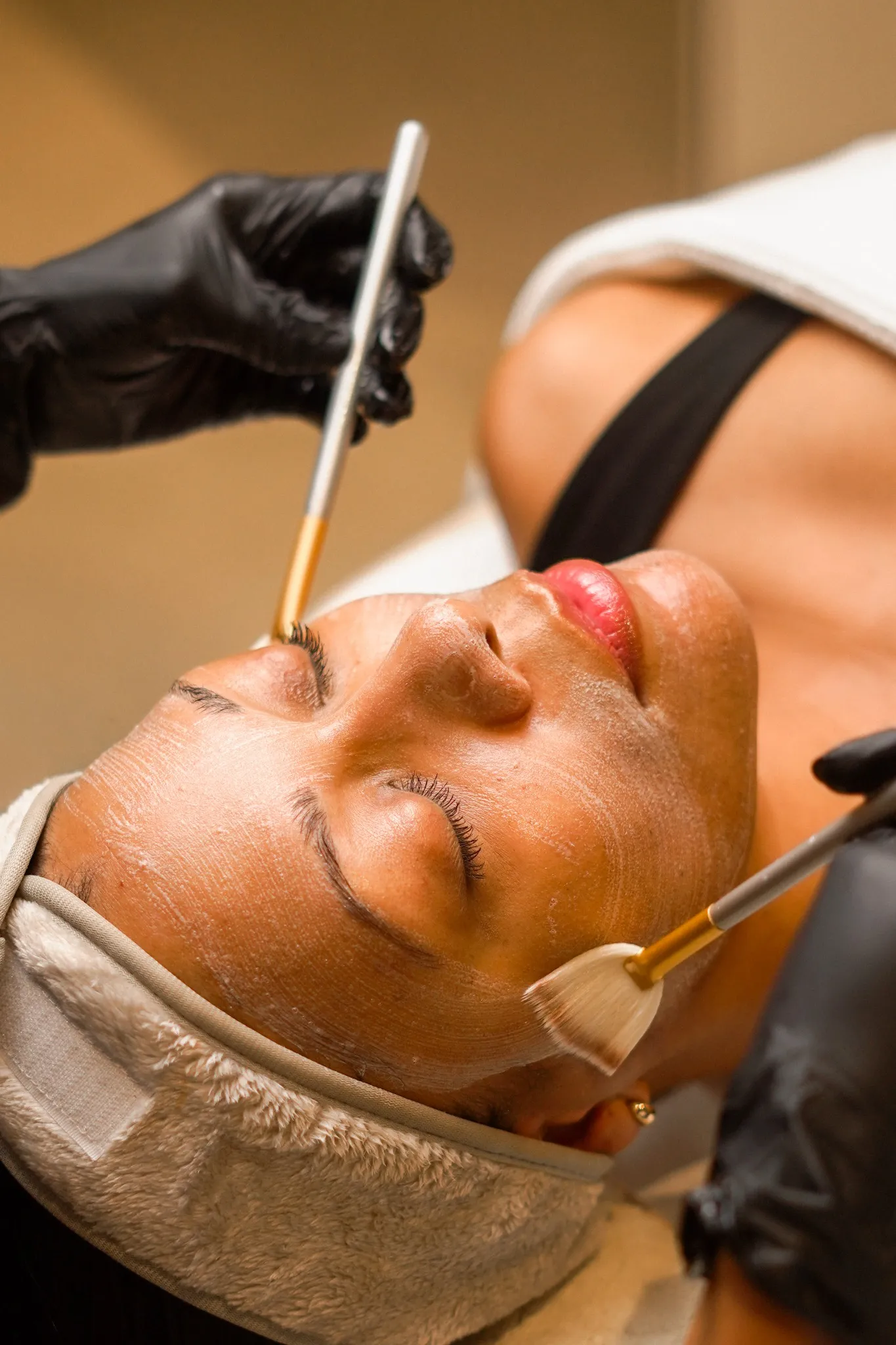
How a Chemical Peel Works
A chemical peel is a treatment where a doctor applies an acid based solution to the skin. The acid weakens the bonds holding dead cells to the surface, so over the next few days those cells shed. New cells rise from underneath faster than they normally would. Medium and deeper peels reach far enough to stir up collagen as well. Once you’ve healed, most people notice a smoother surface, a more even color and pores that look cleaner.
The name is a bit misleading. A lot of peels never produce visible sheets of skin. After a light one you might only feel tight and see some fine flaking for a few days.
Chemical Peel Depths From Superficial to Deep
Depth is the biggest variable in any peel. It decides how much the peel can do, how long you’ll take to heal and how much can go wrong.
| Peel depth | Layers reached | Typical healing | Commonly used for |
| Superficial | Outer layer (epidermis) | 1 to 7 days | Dullness, mild dark spots, congestion |
| Medium | Epidermis and upper dermis | 7 to 14 days | Moderate discoloration, sun damage, some surface scarring |
| Deep | Mid dermis | 14 to 21 days | Severe sun damage, deeper scarring |
Most clinics stick with superficial peels for cosmetic work, and they can be repeated every few weeks. Medium peels cut deeper and cost you more recovery time. Deep peels rely on phenol, take a few weeks to heal and have mostly fallen out of cosmetic use. Treat the healing times in the table as a rough guide, since they come from published dermatology sources and every skin heals differently. At your consultation the doctor works out which depth makes sense for you.
Acids Used in Chemical Peels
No single acid fits every skin, which is why formulas differ. Glycolic acid is the smallest of the group and slips in easily, so it’s a go to for dullness, rough texture and uneven tone. Salicylic acid dissolves in oil and can reach inside pores, which explains its place in peels for breakouts. Mandelic acid is a larger molecule that works slowly, and many people with sensitive skin or deeper tones tolerate that pace better. Lactic acid is mild and tends to suit dry skin. TCA, or trichloroacetic acid, belongs to medium depth peels and calls for close clinical control.
Types of Peels We Offer
We offer PCA peels and Korean peels, and your doctor picks the formula and strength from there. By purpose, they usually fall into four groups.
- Light peels for dull skin that needs a quick refresh with minimal flaking
- Acne focused peels built around salicylic acid and similar ingredients to cut oil and congestion
- Pigmentation peels for uneven tone, sun damage and dark marks
- Medium strength peels for stubborn discoloration or some surface texture, used selectively after assessment
What a Chemical Peel Cannot Do
Peels work on the surface and upper layers, so they only help concerns that sit there. They won’t tighten loose skin, lift jowls or erase deep wrinkles and deep scars. If that’s what you’re after, a peel isn’t the answer, and a good consultation will tell you before you pay for a series.
Is a Chemical Peel Suitable for Your Skin?
Most healthy adults can have a superficial peel. Skin tone does change the plan. Darker skin tones are more prone to darkening after irritation, known as post inflammatory hyperpigmentation. Milder formulas and sensible spacing between sessions keep that risk down. An aggressive peel pushes it up.
Your doctor may postpone a peel if you’ve had a recent sunburn or have an active infection, a cold sore, open wounds or a flare of eczema or dermatitis. Recent isotretinoin use, a tendency toward keloid scars and pregnancy are also reasons to wait or rethink. Come with a list of every product you use on your skin and every medication you take, retinoids and exfoliating acids included.
What Happens During a Chemical Peel Treatment
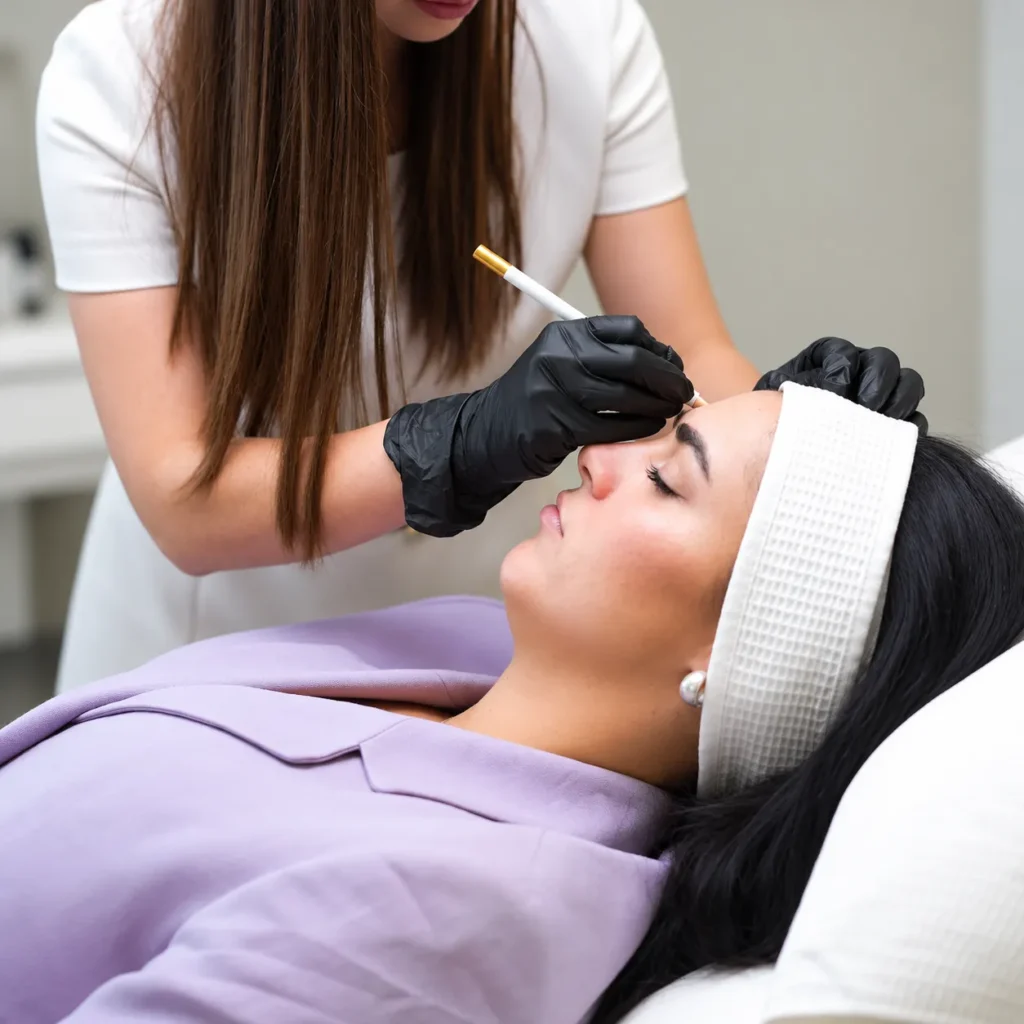
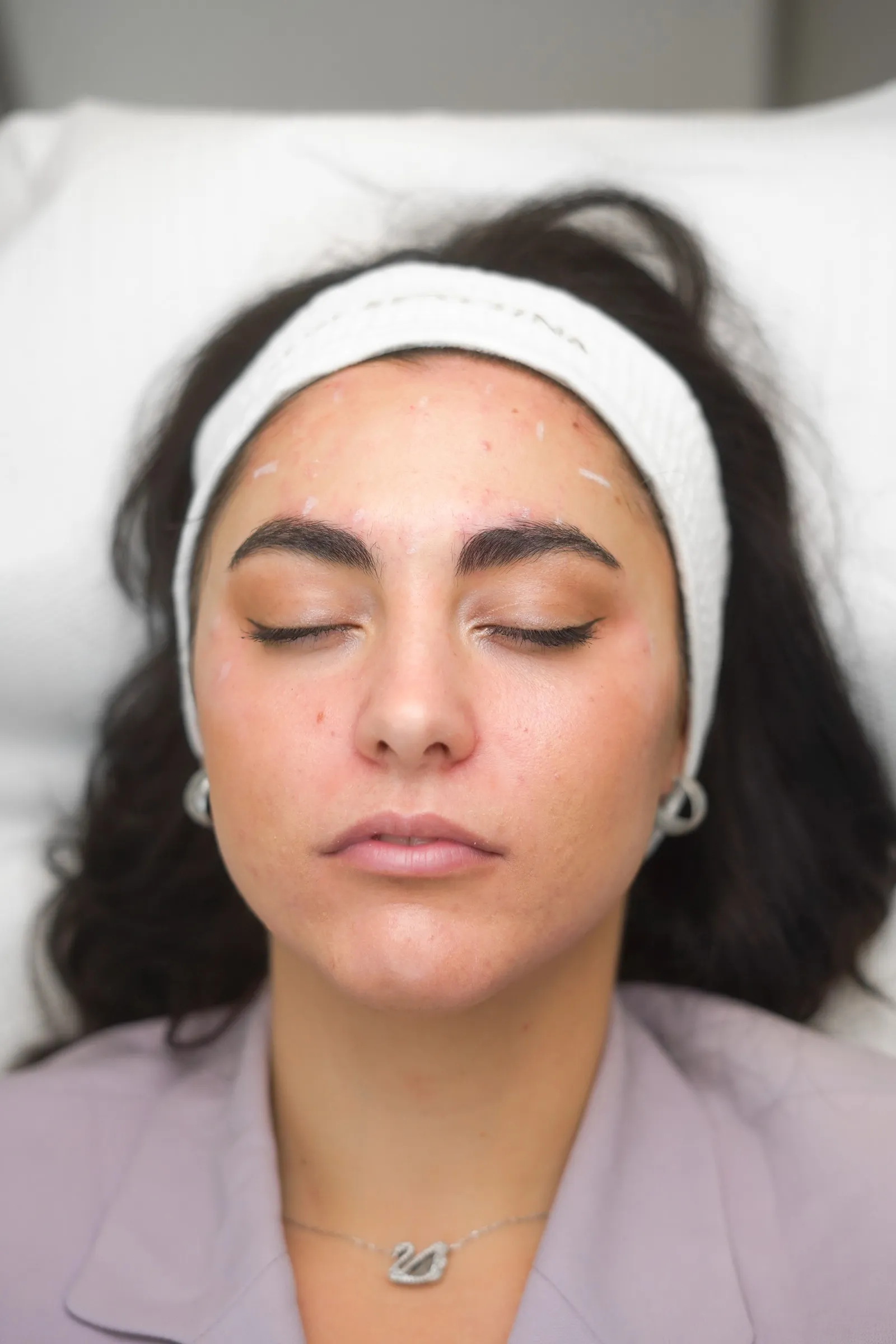
- Skin analysis and consultation. The doctor looks closely at your skin and goes through your goals, medications, current products and any past reactions.
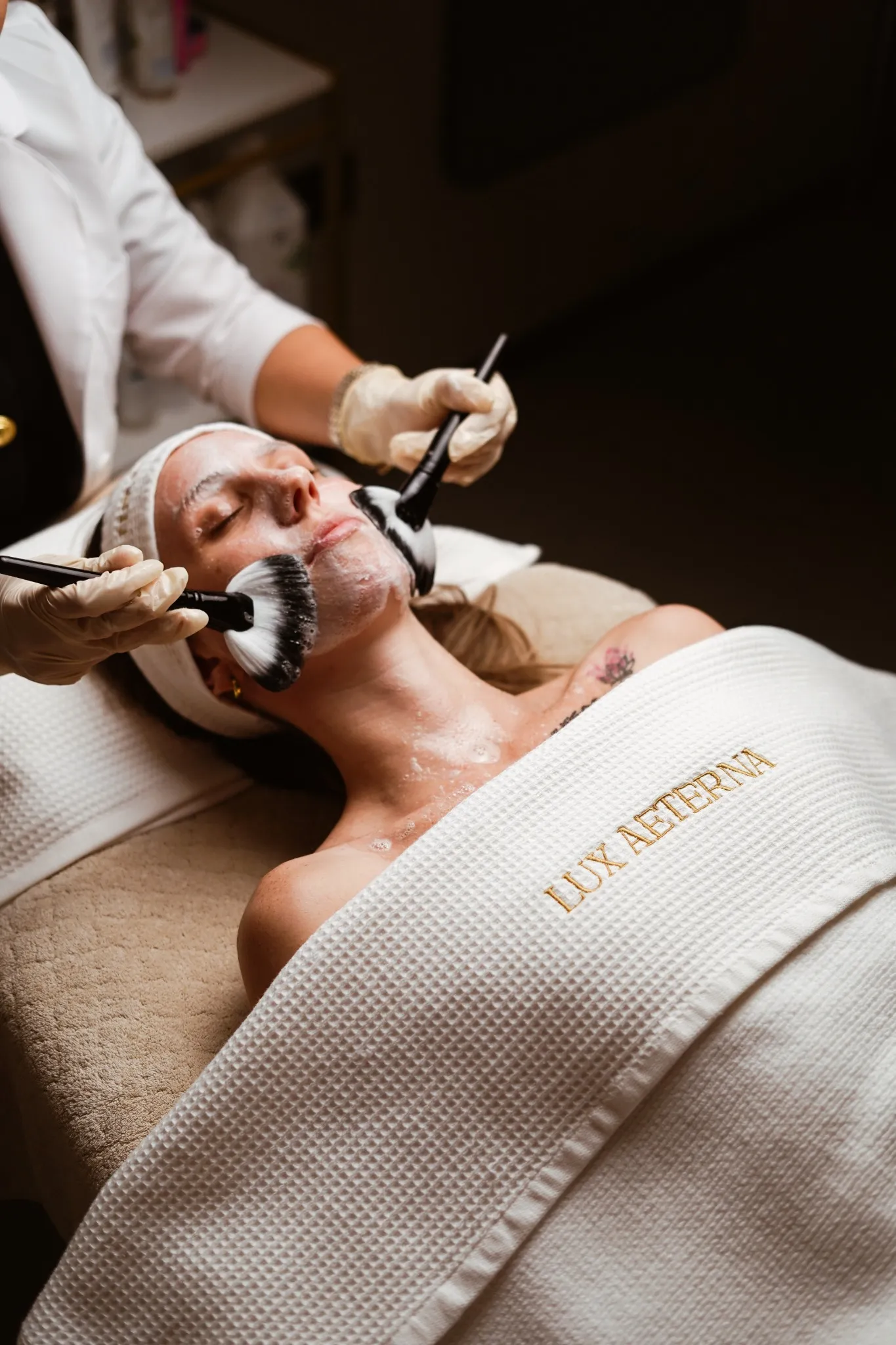
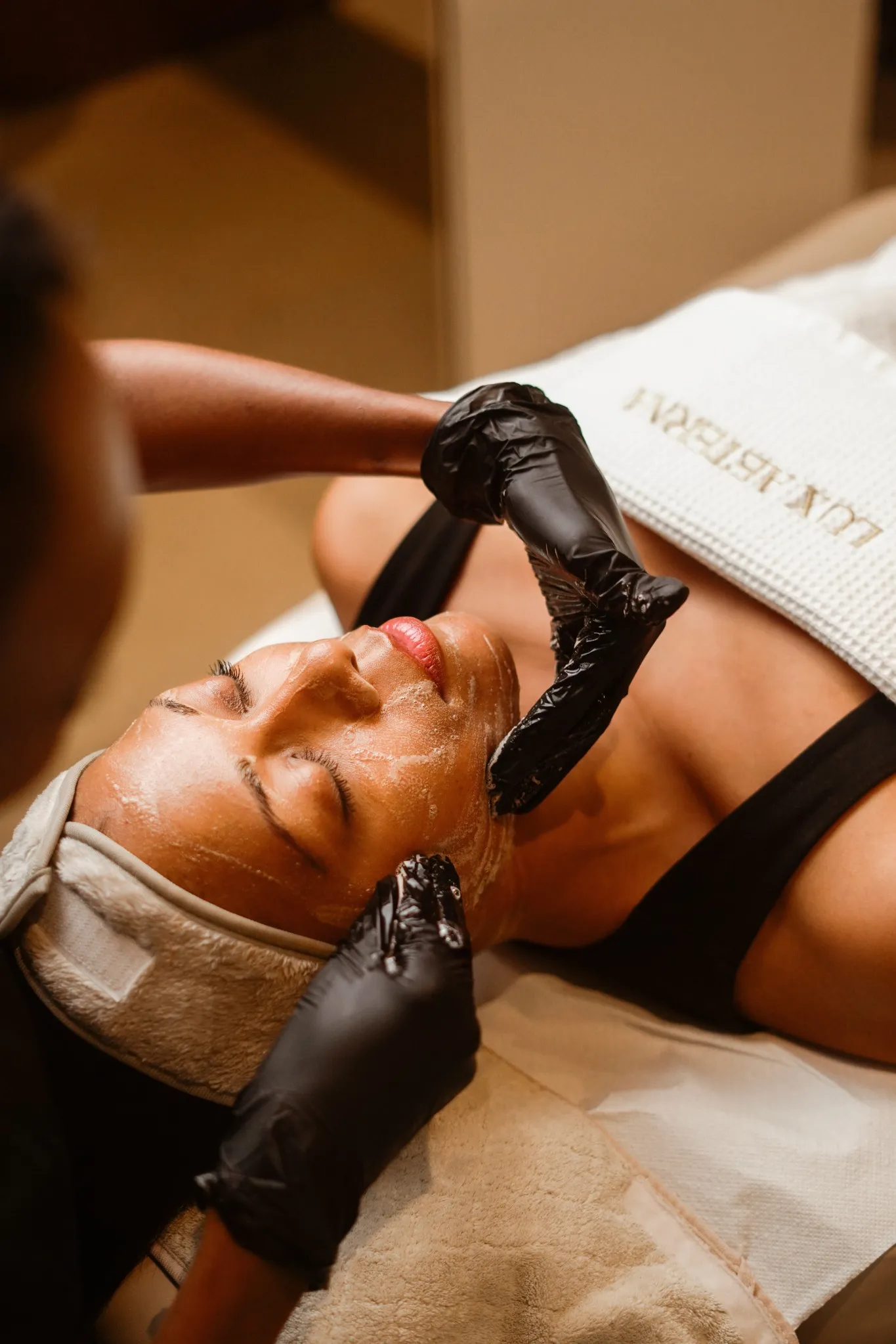
- Preparation. Your skin is cleansed so the peel goes on evenly.
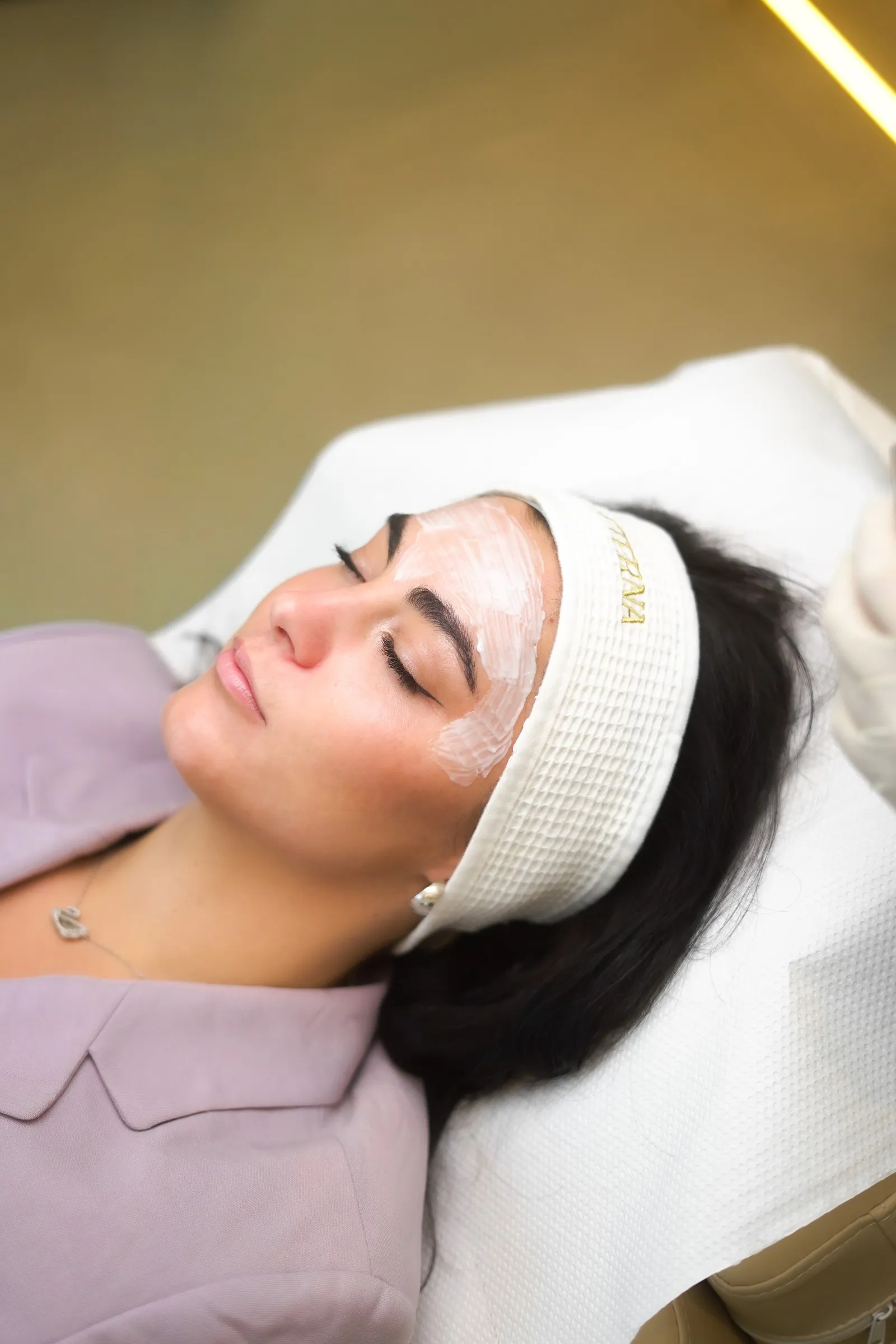
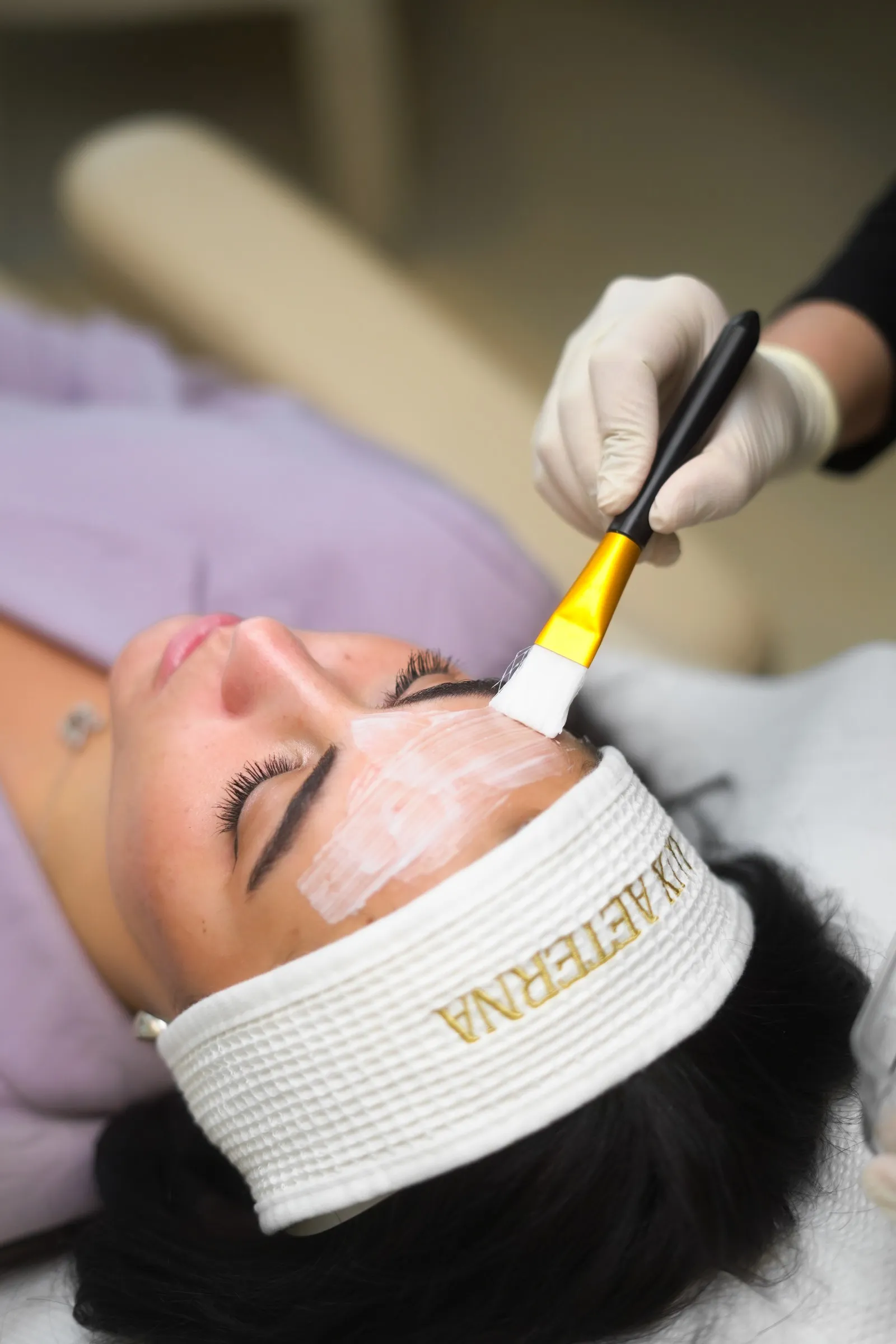
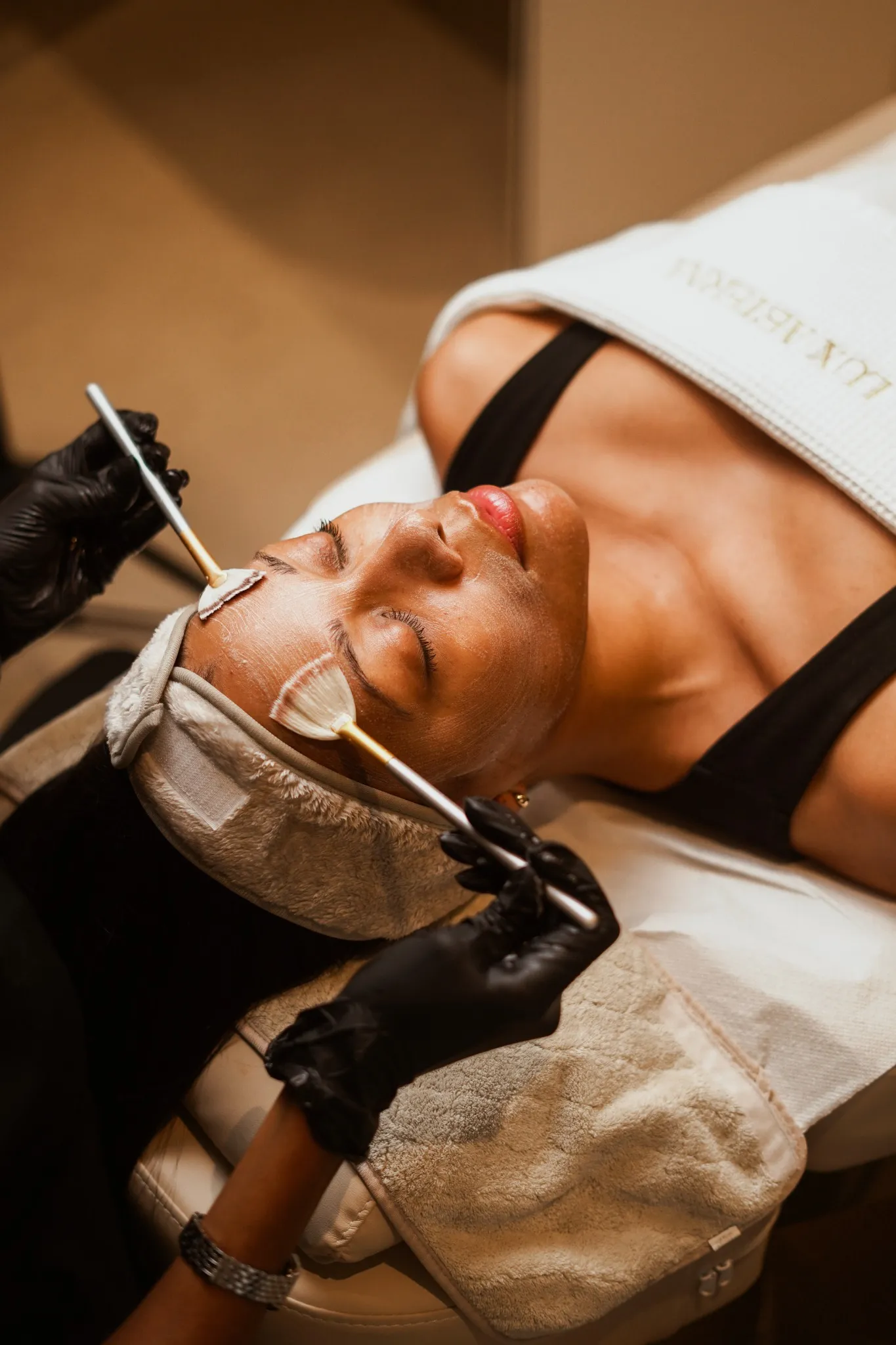
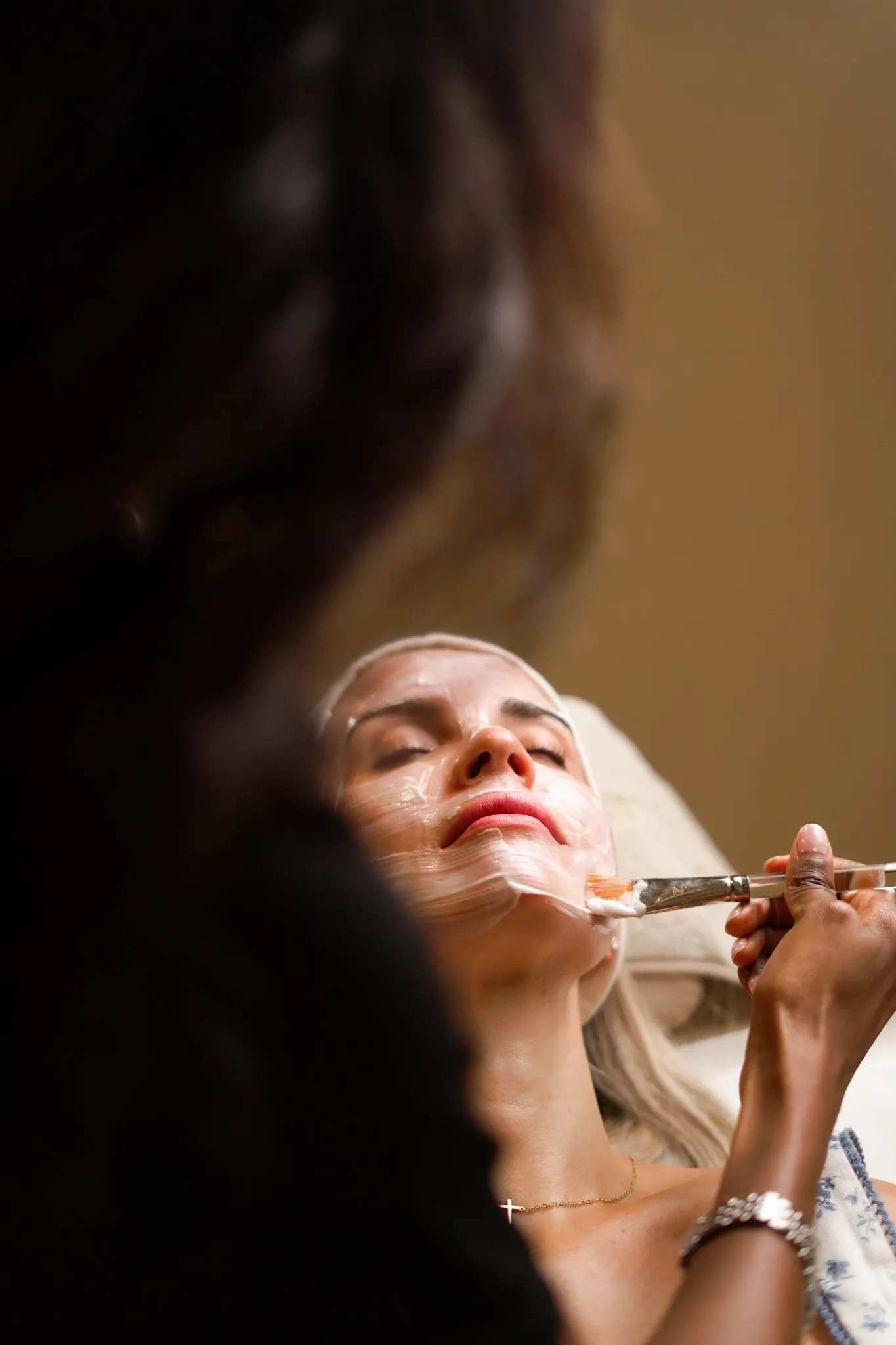
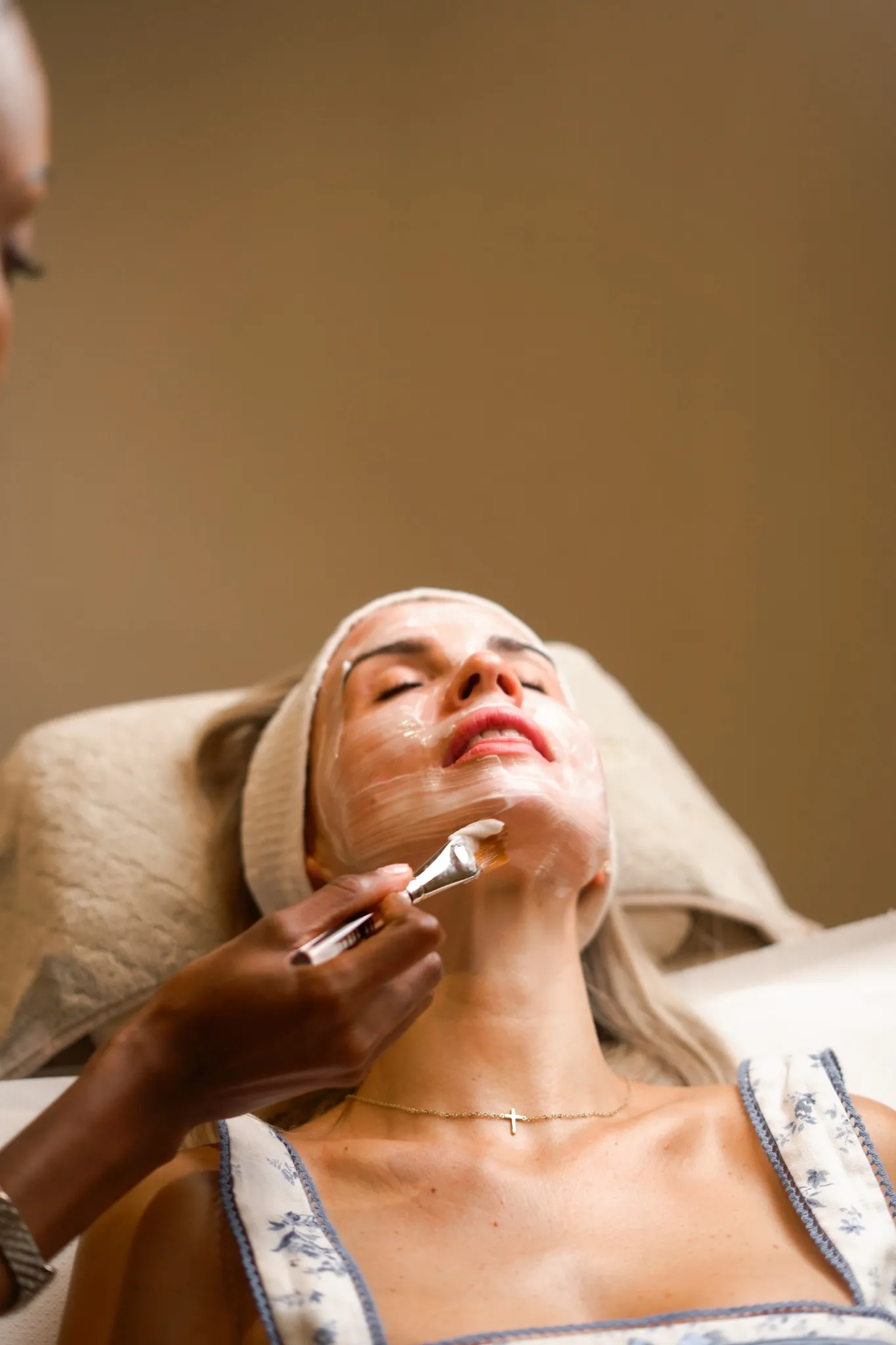
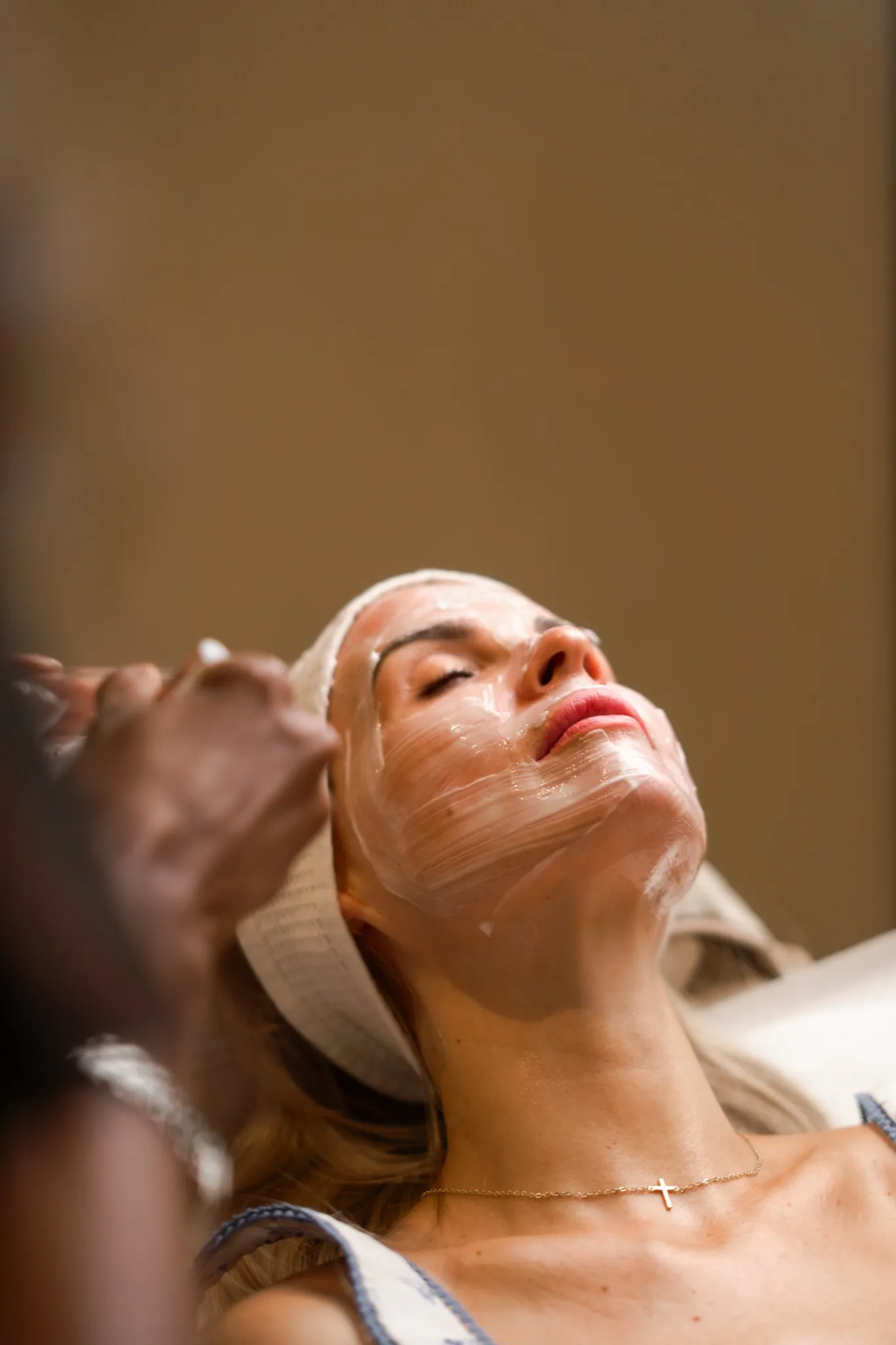
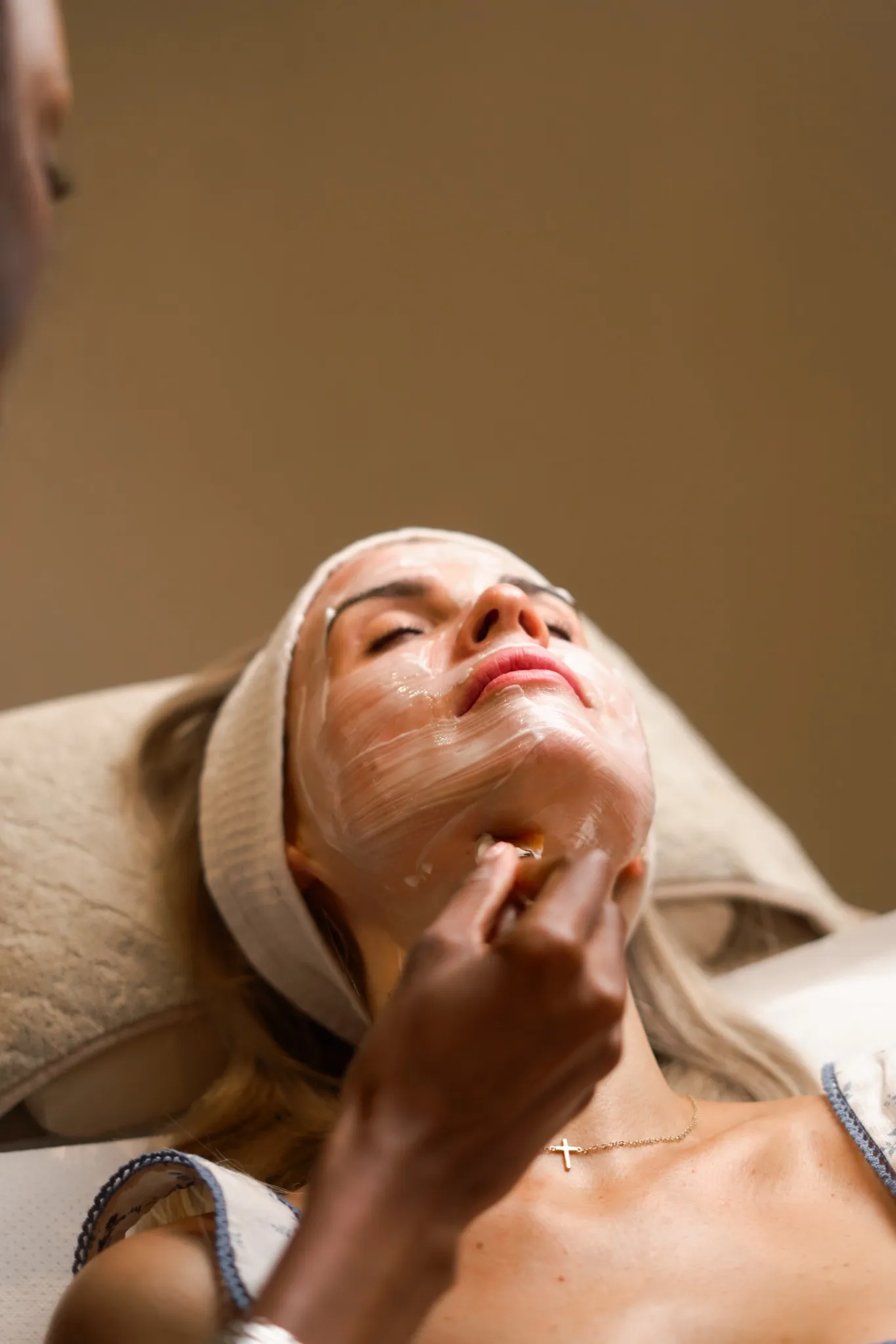
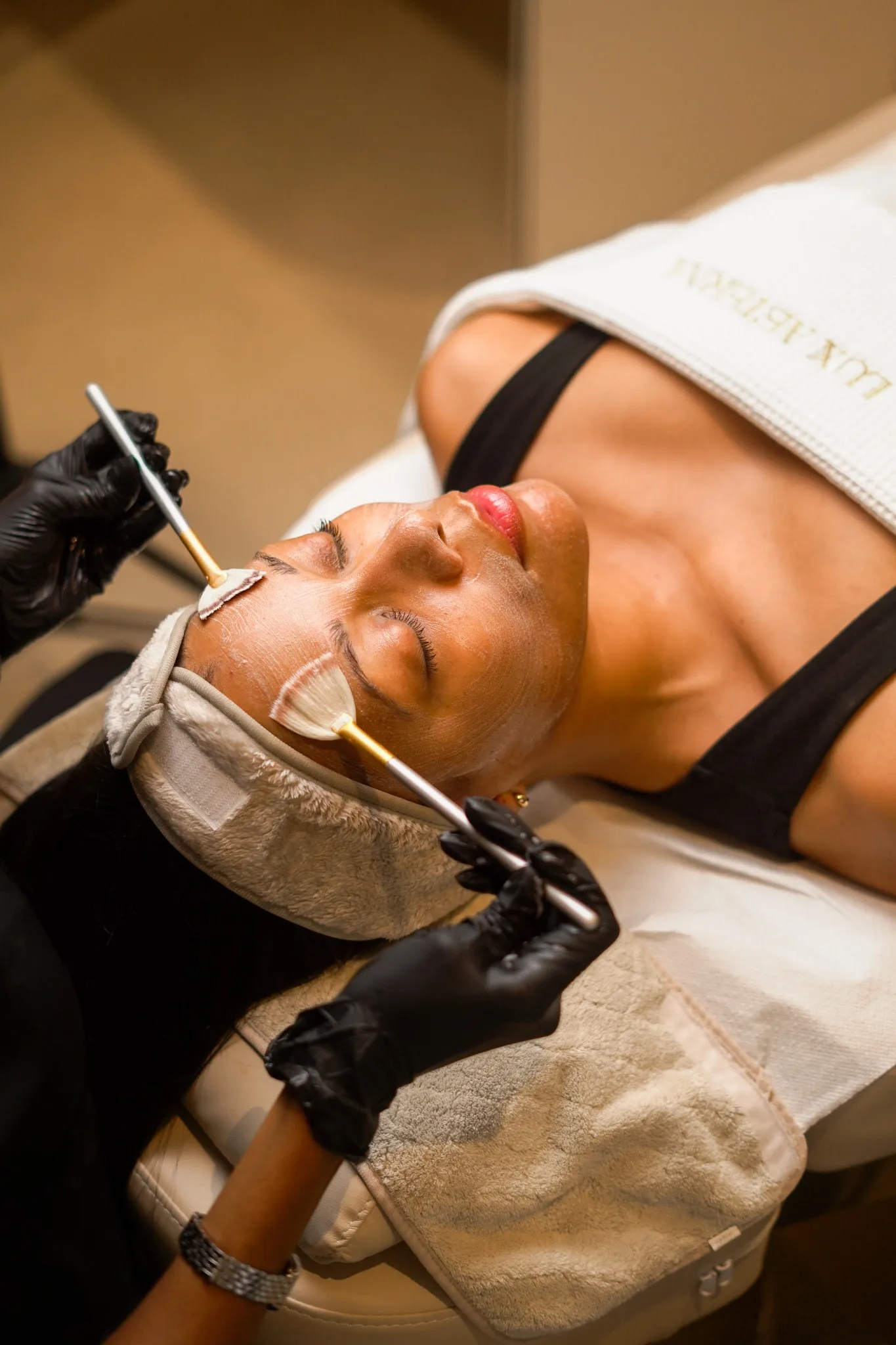
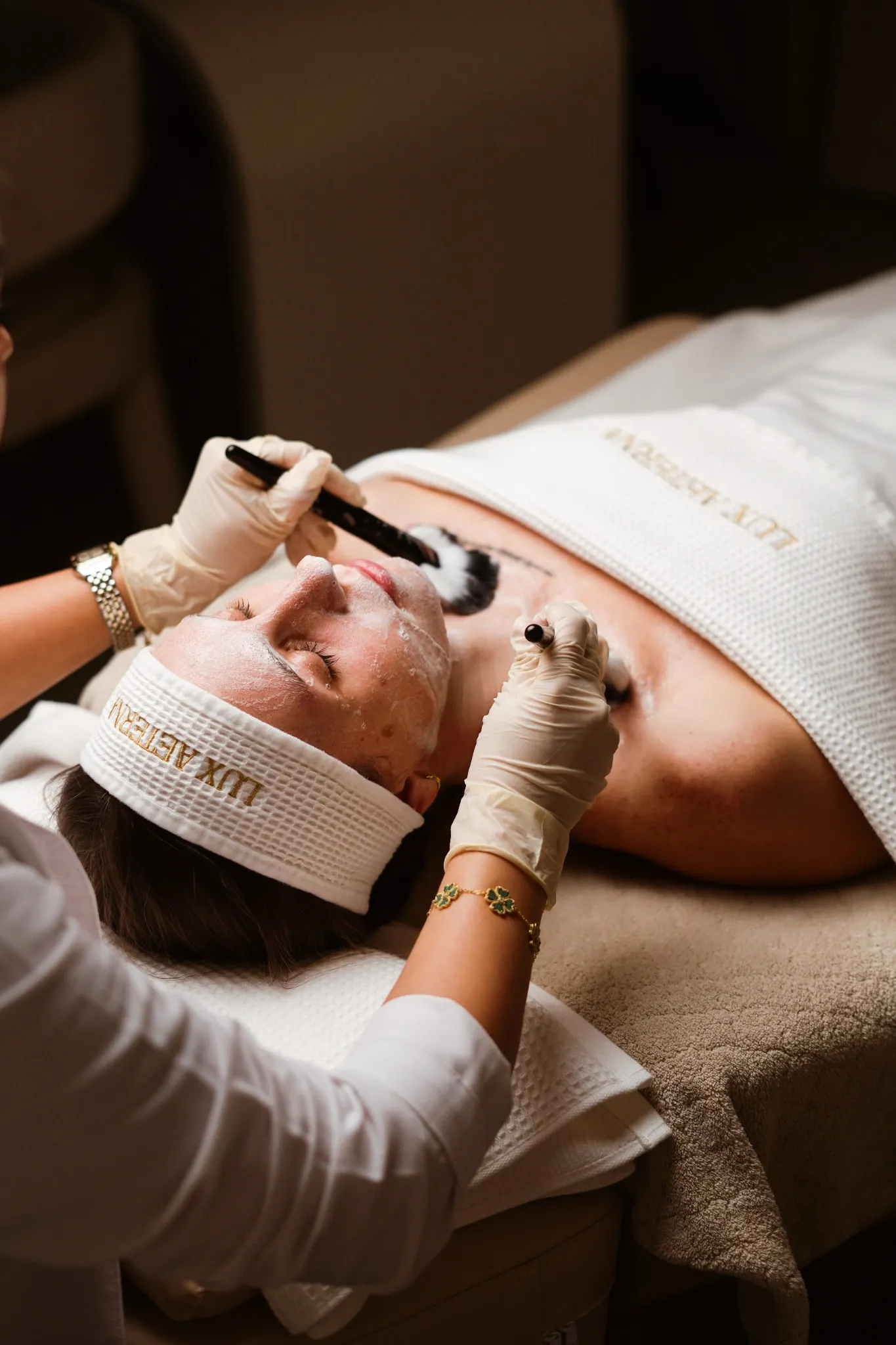
- Application. The solution stays on for a timed period. Most people feel warmth or tingling.
- Finishing. Depending on the formula, the peel is neutralized or removed, then a calming product and sunscreen go on.
The whole visit usually takes 30 to 45 minutes.
Recovery and Aftercare
After a superficial peel your skin may look pink and feel tight, with light flaking for a few days. Leave the flakes alone. Picking them can leave marks. Stick to a gentle cleanser and moisturizer, wear broad spectrum sunscreen every morning and reapply when you’re outside. Many people in the UAE wait for cooler months to begin a series because summer sun makes protection harder. If you can’t wait, tell us your schedule and we’ll plan around it.
Possible Side Effects
Redness, stinging, dryness and flaking are common and settle on their own. Less commonly, skin darkens or lightens in patches, a cold sore flares up or irritation lingers longer than it should. Infection and scarring are rare, but the deeper the peel, the likelier they become. Following your aftercare instructions closely is the best protection.
Benefits of Chemical Peel at Lux Aeterna Clinic
Superficial peels mainly refresh the surface, and medium peels reach the layer where collagen forms. Results build across a series either way, and they only last if your skin stays protected from unprotected sun between visits.
Chemical Peel for Pigmentation
Pigmentation shows up as broader patches of uneven tone, usually after sun exposure, hormonal shifts or past inflammation. A peel speeds up how fast pigmented surface cells shed, so tone can even out over several sessions. Melasma is the exception and needs a more careful hand. Heat and sun bring it back, and an aggressive peel can irritate it and make it darker, so your doctor may choose gentler peels or add other measures.
Chemical Peel for Dark Spots
Dark spots are smaller and sharper edged, like sunspots or the flat brown marks a breakout leaves behind. Gradual exfoliation works well on them, and most people need several sessions a few weeks apart. Whether they stay faded comes down mostly to daily sunscreen.
Chemical Peel for Acne
A peel built around salicylic acid can clear congested pores and thin the buildup behind mild to moderate breakouts. It supports acne care and doesn’t replace medical management. If you’re in a painful, inflamed flare, your doctor may postpone the peel and calm things down first.
Chemical Peels for Acne Scars
Peels help most with shallow marks and mild surface texture. Deeper pits like icepick and boxcar scars rarely respond to a peel on its own. When scarring is your main worry, a dedicated acne scar removals treatment plan looks at your scar type first and may combine peels with other procedures.


